Positive emotions
Appreciation, humour and a good atmosphere, actively fostered by the leader.
On dutyA smiling officer changes the mood of a crowd and breaks negative stereotypes.


Code 4 Leadership
We focus on the human side of police performance: evidence-based leadership that keeps officers healthy and capable, starts with the first-line supervisor, and makes good strategies stick.
Code 4 police radio for “situation under control, no further assistance needed.” It is also our code for leadership: people first, purpose always, progress together.
The model
Positive leadership applies the principles of positive psychology to leading people. The PERMA-Lead model by Dr. Markus Ebner gives leaders five levers they can actually pull, from the patrol shift to the executive floor.
Appreciation, humour and a good atmosphere, actively fostered by the leader.
On dutyA smiling officer changes the mood of a crowd and breaks negative stereotypes.
Know your people's strengths and deploy them where they flourish.
On dutyOfficers who love tactical communication: train them well, then let them lead the dialogue.
Psychological safety: trust, learning from mistakes, everyone welcome as they are.
On dutyHonest, reliable relationships with organizers make assemblies safer for everyone.
Explain the why behind tasks, decisions and change, so people see what they contribute to.
On dutyExplain what the police will do, and why, before and after the operation.
Turn the hamster wheel into a sense of impact. Name successes, and sometimes celebrate them.
On dutyDebrief what went well and recognize the women and men of the match.
PERMA-Lead for police, explained →
Think of the leader as a good gardener: not over-fertilizing once and walking away, but making sure people regularly get enough of all five nutrients. The research is clear: teams with positive leadership are measurably more satisfied, healthier and more open to change. That is not only the ethical choice. It is the strategic one.
Our approach
Leading with rank and authority alone no longer carries police organizations through what's coming. We place positive leadership where it matters most for performance: in readiness, in supervision and in change.
Capacity is a leadership outcome.
Well-led officers stay healthy, stay in the job and stay capable of acting under pressure. Positive leadership is not a soft add-on to command. It is how agencies protect their ability to respond, shift after shift.
Sergeants shape the job.
Sergeants influence officer behavior, health and turnover more than almost anything else, yet most receive little training in how to lead people. That is where we start, and where our course feedback is strongest.
Leadership is why good strategies stick or die.
Agencies keep adopting evidence-based strategies, new technology and reforms that fade because the workforce isn't ready to change. We bring crime science and change leadership together, from problem-oriented strategies such as Place Network Investigations to Bernd's PERMA-Change approach.
The evidence
3,329police employees in Hesse, Germany, took part in one of the largest studies on positive leadership in policing.
The findings show how positive leadership works: it strengthens two core psychological resources, wellbeing at work and individual resilience, and through them raises employees' general readiness for change. For agencies in the middle of transformation, that is the lever that matters.
In the field
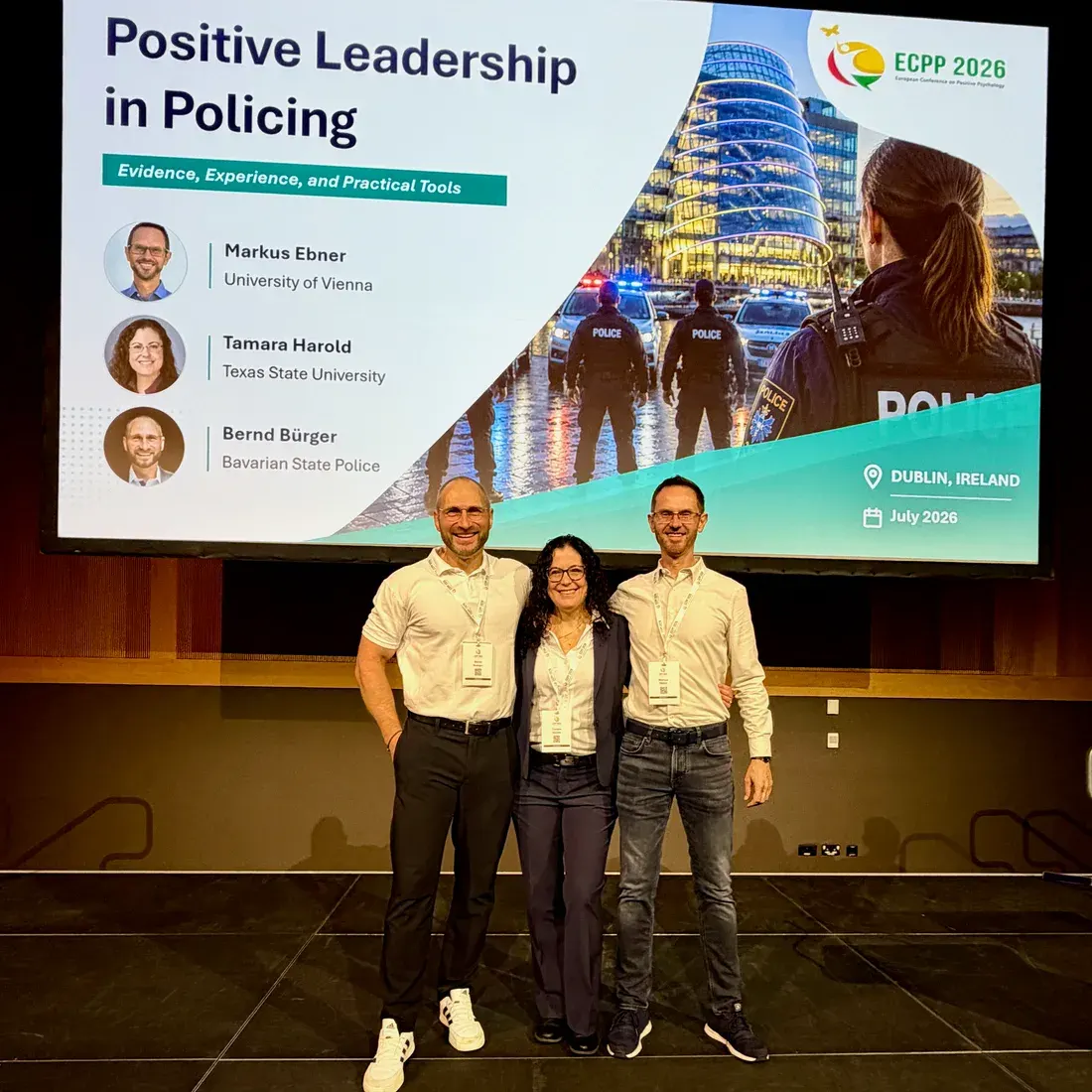
Less burnout, a healthier culture, more trust inside and out. These are not soft topics.
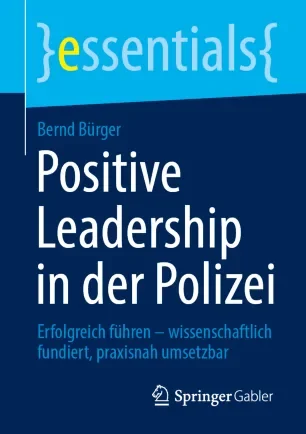
The book · Springer essentials
Leading successfully: scientifically grounded, practical to implement. A compact introduction to positive leadership for police and public administration, with the evidence, the model and the tools in one place.
By Bernd Bürger. Published in German; our talks and workshops are available in English.
Voices from the field
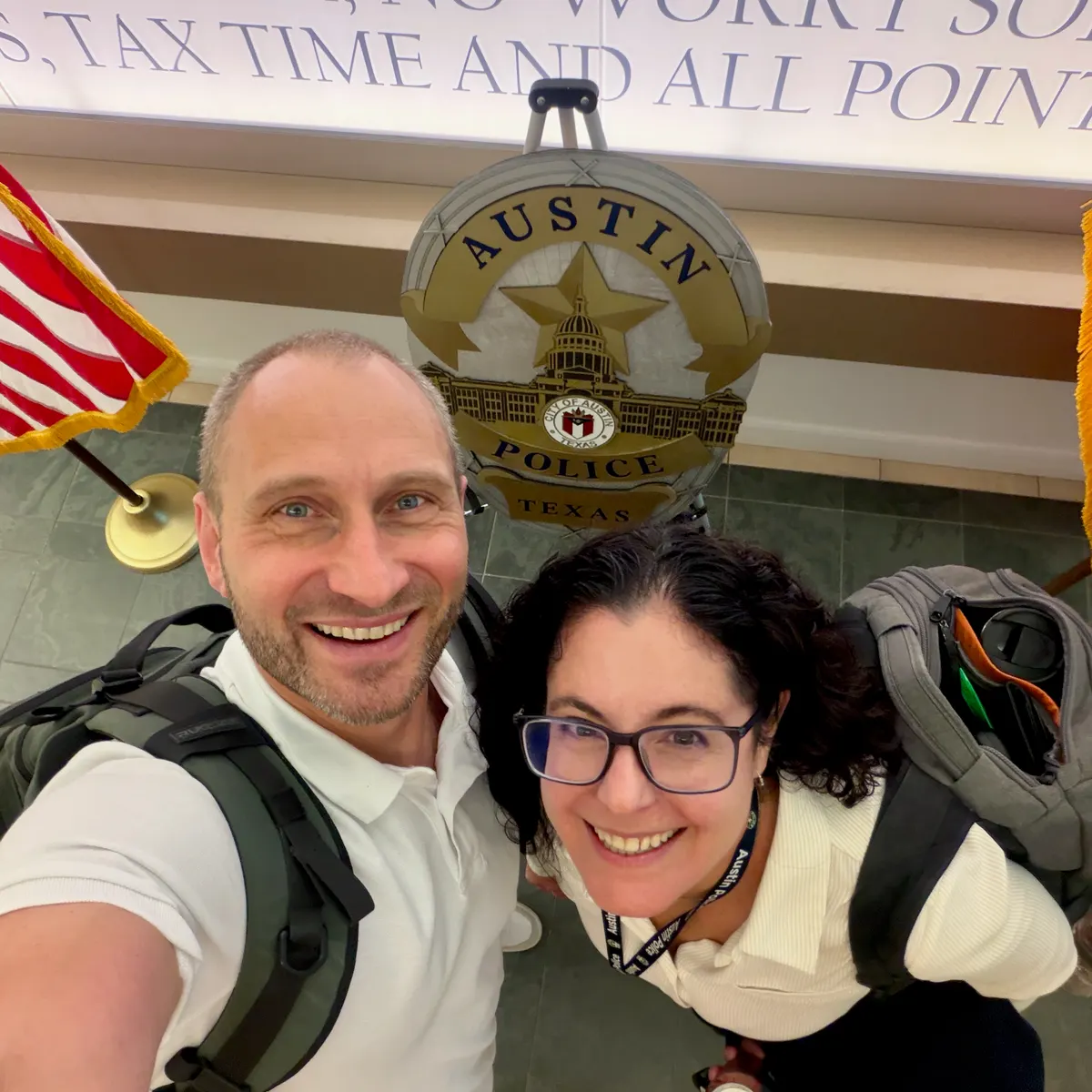
Anonymous feedback from our Positive Leadership course for leaders of the Austin Police Department, Texas. Quoted verbatim, shortened only where marked.
Average ratings from our first APD course groups.
“This was the best class I have taken in a long time! … I was never bored and I genuinely enjoyed it. I would love to see a future follow up class. Thank you!”
“Having the course taught by someone with extensive law-enforcement leadership experience gave the material credibility and made it much easier to connect the concepts to policing.”
“I realized that while I understand why our work matters, I can do a better job of communicating that purpose to my people.”
“Initially I felt it was basic in nature and just another course. On the final day I realized it was quality material with genuine instruction.”
“Be intentional and know your team’s strengths – not just what they are good at … what energizes them.”
“I hope this class becomes mandatory for all newly promoted supervisors and normal curriculum for those in the highest ranks.”
“This was one of the best leadership courses I have ever been to. I really appreciate the opportunity to attend this and I hope to see more outside perspectives just like this.”
“The scientific basis for the importance of positivity gives it an important credibility. Not being positive for the sake of avoiding negativity (which can end up being toxic positivity).”
“Would love to see this implemented by our Lieutenant's and above, so that the example is set for others to follow.”
“The focus on positivity was refreshing and has helped me renew that in my daily leadership.”
“The PERMA principles give structure to being mindful about being a good leader.”
“Positivity is contagious. Change is my responsibility.”
Work together
From a first spark for your command staff to a leadership program that sticks. Formats are tailored to your organization, in English or German, on site or online.
Why positive leadership matters for policing, what the evidence says, and what leaders can do tomorrow. For conferences and leadership meetings.
Hands-on work with the five PERMA-Lead levers and proven tools, applied to your leaders' real situations on duty and in the office.
Measure, train, reflect, repeat. PERMA-Lead profiles show where your leaders stand and make development visible over time.
All formats in detail → · For command staff → · Implementation & consulting →
Related topics on request: public order policing and crowd psychology, Generation Z in the police, shift work and healthy working time.
Online Academy
Our online academy brings the PERMA-Lead toolkit to leaders who want to go deeper between workshops or can't attend in person: short video lessons, practical tools and exercises for everyday leadership.
Current courses are in German. Soon featuring courses in English.
Who we are
A German police commander and an American criminologist, both certified PERMA-Lead® consultants, working together to bring evidence-based positive leadership into police agencies on both sides of the Atlantic.
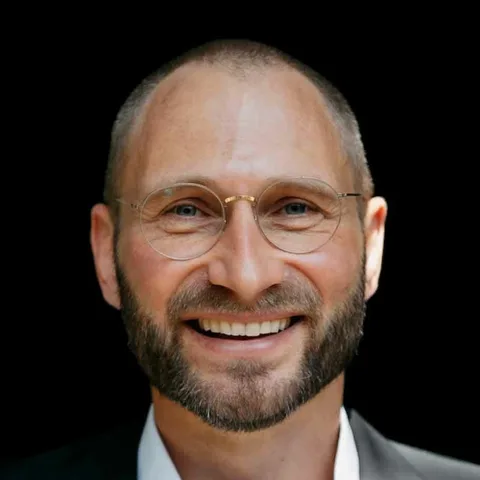
Police Colonel, Bavarian Police · Germany
For more than 20 years Bernd has led in operational roles, more than 15 of them in leadership and command positions. As head of leadership training for the Bavarian Police, he brings positive leadership from theory into daily duty, for police forces across Germany, Austria and Switzerland.
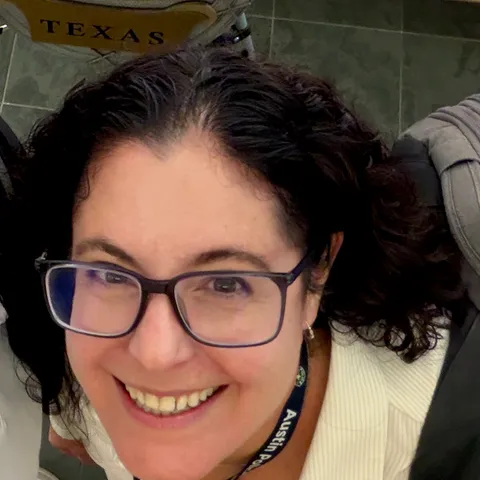
Professor, Texas State University · USA
Tamara is a crime scientist whose widely cited research has shaped policing strategies in the United States and abroad. She works directly with police agencies to turn evidence into practice, from violence reduction to crowd management, and now champions positive leadership training for first-line supervisors in US policing.
Common ground: both have spent years on public order policing and crowd dynamics, and both see leadership as the lever that decides how officers treat each other and the public.
FAQ
Positive leadership applies the findings of positive psychology to leading people. In policing, it means leaders deliberately strengthen positive emotions, engagement through strengths, trusting relationships, a sense of meaning and visible accomplishment, so that officers stay healthy, motivated and capable under pressure.
PERMA-Lead is an evidence-based leadership model developed by organizational psychologist Dr. Markus Ebner. It translates the five PERMA factors (Positive emotions, Engagement, Relationships, Meaning, Accomplishment) into concrete leadership behaviours that can be trained and measured.
Yes. A study of 3,329 employees of the Hesse Police in Germany found that positive leadership strengthens wellbeing at work and individual resilience, and through these resources increases employees' readiness for change.
No. Capacity is a leadership outcome. Positive leadership does not replace clear command in critical situations; it complements it. Less burnout, lower turnover and more trust inside and outside the organization are what keep a police force capable of acting.
Typical starting points are a keynote for command staff, a hands-on workshop with the five PERMA-Lead levers, or a leadership development program that measures leadership behaviour with PERMA-Lead profiles and tracks progress over time. Formats are available in English and German, on site or online.
In U.S. police radio, Code 4 means the situation is under control and no further assistance is needed. It is what every officer wants to hear, and what good leadership makes possible: people who are healthy, capable and ready for whatever comes next. And it doubles as our code for leadership: people first, purpose always, progress together.
Dr. Bernd Bürger, Police Colonel and head of leadership training with the Bavarian Police in Germany, and Dr. Tamara D. Herold, Professor of Criminal Justice and Criminology at Texas State University and former Senior Advisor to the U.S. National Institute of Justice. Both are certified PERMA-Lead® consultants.
Newsletter
Practical positive-leadership tools for police leaders, new research from policing and positive psychology, and first access to our English online courses. No spam, unsubscribe with one click.
Contact
Keynote, workshop or a first conversation about what positive leadership could look like for your people. We look forward to hearing from you.
[email protected]